Repairing a cracked or damaged bumper can be a practical and economical alternative to replacement when the structure is still intact. Many modern bumpers are designed from plastics that respond well to high strength structural adhesives.
Fusor 143 Extreme Plastic Bond Super Fast Set is one of the products we recommend for this type of repair because it bonds strongly to common bumper plastics and helps restore a clean, long lasting finish with proper preparation. This guide walks through the complete process to help you tackle this repair project confidently at home.
Key Takeaways
- Fusor 143 provides high strength bonding for common bumper plastics such as TPO, TEO, PP, SMC, ABS and FRP.
- Surface preparation with the correct Fusor surface modifier is essential for reliable adhesion
- Applying adhesive on both the backside and front side of the repair creates strong reinforcement.
- Proper sanding, shaping and refinishing help restore a smooth, factory style appearance.
- Working efficiently is important because Fusor 143 sets quickly once mixed.
Did you know? Fusor 143 creates an undetectable featheredge when finished correctly, which helps blend repairs into the original bumper surface.
Understanding Why Fusor 143 Works for Bumper Repairs

Bumper covers are typically manufactured from materials such as TPO, TEO, PP, SMC, ABS and FRP. Fusor 143 is formulated for these plastics and is designed specifically for bonding, repairing and refinishing them.
The adhesive has an extremely fast set time and produces an undetectable featheredge, which makes it well suited for cosmetic repairs like cracks, holes, and splits. It is also an extremely high strength structural adhesive, which helps reinforce the damaged area so it stays intact once the repair is complete.
Bumper repairs often benefit from a product that fills, bonds, and strengthens at the same time. Fusor 143 provides those functions when used with proper surface preparation, including the use of Fusor 601, 602, or 603 Surface Modifier. When applied correctly, the product integrates smoothly into the original surface and provides a reliable bonding layer that can be sanded and refinished.
Tools and Materials Needed
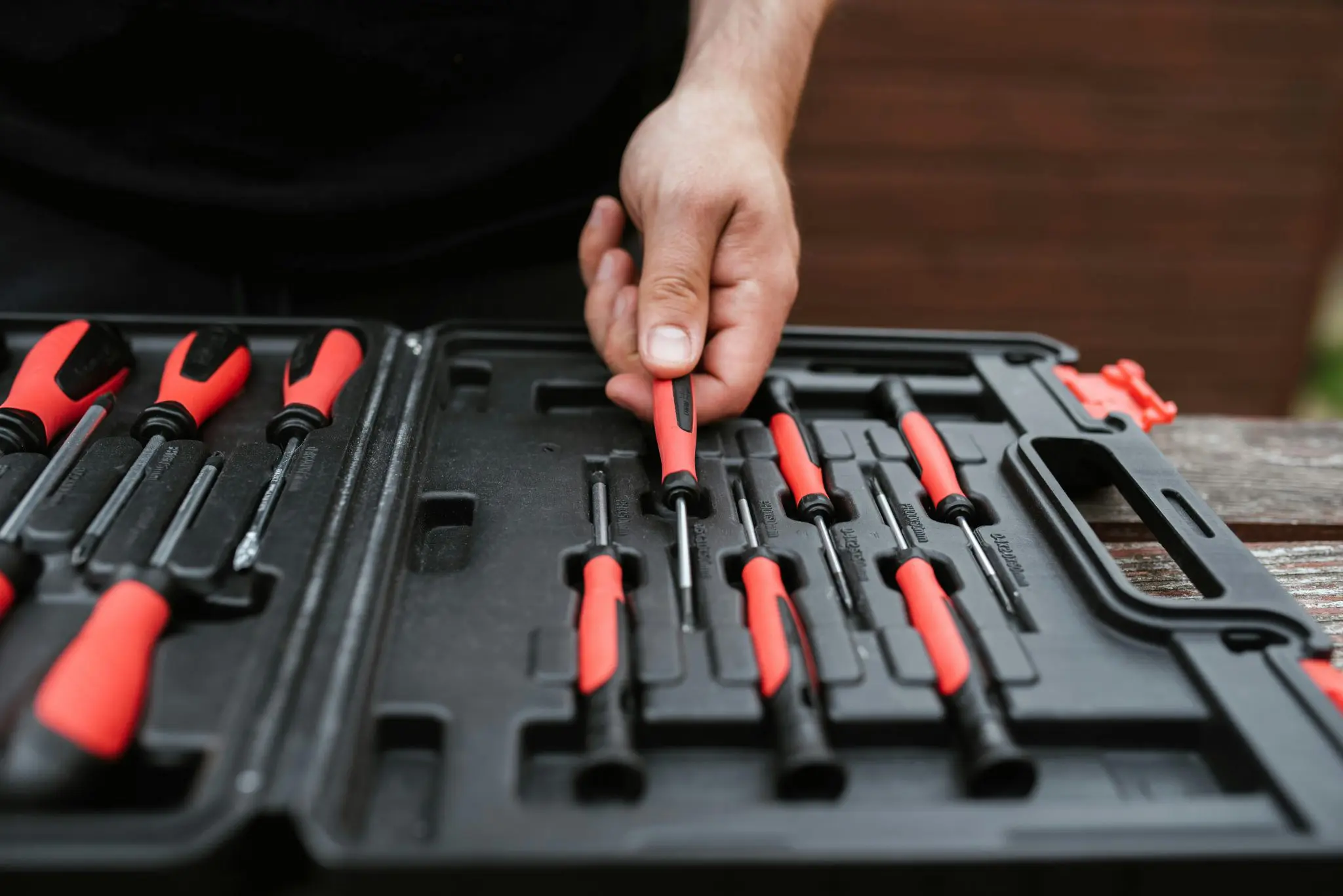
Before starting your repair, assemble the following items so the process goes smoothly from beginning to end.
Adhesives and Surface Preparation
- Fusor 143 Extreme Plastic Bond Super Fast Set 1.7oz
- Fusor 601, 602, or 603 Surface Modifier as recommended on the product page
- Compatible dual cartridge applicator gun
- Mixing tips for two part adhesives
Tools
- Plastic safe cleaner or degreaser
- Clean lint free rags
- Sandpaper ranging from 80 to 320 grit
- Plastic spreader or putty knife
- Masking tape and paper
- Backing mesh for holes
- Body filler if needed
- Plastic safe primer
- Color matched bumper paint
- Clear coat
Safety Gear
- Protective gloves
- Safety glasses
- Respirator or mask suitable for sanding dust and fumes
Preparing the Bumper for Repair
Proper preparation is essential for a long lasting repair. Skipping steps or rushing surface prep can affect adhesion and shorten the life of the repair.
Step 1: Inspect and Access the Damage
Look for the full extent of cracks or splits. If the bumper is severely torn, crushed, or missing large sections, replacement may be a better choice. If the damage is manageable, removing the bumper may provide easier backside access, although repairs can be done on the vehicle if needed.
Step 2: Clean the Area
Wash the damaged section to remove dirt and road film. Follow with a plastic safe degreaser to remove oils, waxes and contaminants that prevent adhesion. Dry completely.
Step 3: Sand and Shape
Use 80 to 120 grit sandpaper to roughen the surface several inches around the crack. This creates a mechanical profile for the adhesive. For cracks, cut a shallow V groove along the damaged line to allow Fusor 143 to penetrate and strengthen the repair. If repairing a hole, clean the edges and prepare space for backing mesh.
Step 4: Mask and Prepare for Bonding
Mask nearby painted areas to prevent adhesive from touching intact surfaces. Apply Fusor 601, 602 or 603 Surface Modifier according to instructions to ensure proper bonding. This step is required for the materials listed in the product description.
Applying Fusor 143 to the Repair Area
With prep finished, you are ready to apply the adhesive. Fusor 143 is a fast setting product, so work efficiently and be ready to complete each stage before the set time begins.
Step 1: Load and Prime the Cartridge
Place the Fusor 143 cartridge into the applicator gun. Purge a small amount of material to ensure both components dispense evenly. Attach a fresh mixing tip.
Step 2: Backside Application
For cracks, begin on the back side of the bumper. Align the crack and apply adhesive along the V groove. For holes, place backing mesh behind the opening and apply adhesive to form a reinforced base layer. Smooth the material with a spreader.
Step 3: Front Side Application
Once the backside begins to set, move to the front. Apply a controlled amount of adhesive along the repair. Slightly overfill the area so it can be sanded smooth later. Shape the adhesive enough to minimize high spots but do not try to finish it perfectly at this stage.
Step 4: Allow Full Cure
Follow the instructions on the product packaging for complete set and cure times. While Fusor 143 is an extremely fast set adhesive, full structural strength still requires proper curing. Avoid flexing the bumper during this time.
Shaping, Sanding and Refinishing
Once the adhesive has cured, you can move into sanding and surface finishing to restore the factory appearance.
Step 1: Initial Sanding
Use 80 or 120 grit sandpaper to level the adhesive and blend it into the surrounding plastic. Work gradually to avoid digging into the original surface.
Step 2: Refinement
After rough shaping, switch to finer grits such as 180, 220 and finally 320. Inspect the surface for remaining imperfections. If needed, apply a thin skim of body filler to perfect the cosmetic finish.
Step 3: Primer and Paint
Finish with a plastic safe primer. Lightly sand once more for smoothness, then apply color matched paint and clear coat. Allow each layer to dry fully before moving to the next step.
Step 4: Reinstallation
If you removed the bumper, reinstall it carefully and check for proper alignment.
Performance Notes and Troubleshooting
Tips for Success
- Work in a temperature controlled area for consistent results.
- Mix only the amount of adhesive you can apply quickly.
- Keep surfaces clean during every step of the process.
- Ensure the surface modifier is fully applied and dry before bonding.
Common Issues
- Poor adhesion: Usually caused by inadequate cleaning or skipping the surface modifier.
- Visible lines after painting: The featheredge was not sanded gradually enough.
- Recurring cracks: The repair may need additional reinforcement or the bumper may be experiencing stress in that specific area.
Product Details at a Glance
| Feature | Information |
| Part Number | BS143 |
| Product Name | Fusor 143 Extreme Plastic Bond Super Fast Set 1.7oz |
| Adhesive Type | Extremely high strength structural adhesive |
| Set Speed | Extremely fast set |
| Color | Black |
| Recommended Surface Prep | Fusor 601/602/603 Surface Modifier |
| Compatible Plastics | TPO, TEO, PP, SMC, ABS, FRP |
| Typical Applications | Bumpers, emblems, door trims, interior and exterior plastic repairs |
Final Thoughts – Fusor 143 Bumper Repair Guide
A damaged bumper does not always need full replacement. With proper preparation and the right adhesive, many common bumper cracks and breaks can be repaired at home.
Fusor 143 Extreme Plastic Bond Super Fast Set provides the high strength, fast curing performance needed for these repairs when used with the appropriate surface modifier and application techniques.
At Raybuck Auto Body Parts, we aim to provide reliable products that help customers complete repairs with confidence and professional looking results.
Repair your vehicle with confidence by choosing quality adhesives and supplies from Raybuck Auto Body Parts. Shop our adhesvies today!