Classic car restoration is as much about preserving heritage as it is about maintaining mechanical and structural integrity. Rust is one of the most persistent threats to any older vehicle, and once it starts, it rarely slows down without intervention.
At Raybuck Auto Body Parts, we believe that high quality repair panels are only half of the long term solution. Protecting those panels and the surrounding metal with a proper rust prevention coating is equally important. This article explains why rust control matters, how coatings work, and how the ZeroRust product line fits naturally into a restoration process.
Key Takeaways
- Classic cars face higher rust risk due to age, worn coatings and exposure over time.
- Rust prevention coatings add essential protection after installing new panels.
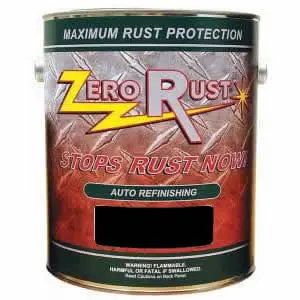
- ZeroRust provides a direct to metal barrier that helps control future corrosion.
- Proper preparation, seam sealing and multi coat application improve long term results.
- Routine inspections and touch ups keep vulnerable areas protected throughout the year.
Did you know? Many replacement panels at Raybuck Auto Body Parts arrive with EDP coating to delay rust before you finish the restoration.
Why Classic Cars Are So Vulnerable to Rust
Many classic vehicles face higher rust risk than modern cars. Factory corrosion-protection processes were not as advanced decades ago, and time has weakened whatever coatings were originally applied. Environmental factors such as humidity, road debris, salt exposure and inconsistent storage add to the problem.
Common rust hotspots include:
- rocker panels and cab corners
- wheel arches and lower quarter panels
- floor pans, trunk floors and frame rails
- hidden cavities, seams, sills and door bottoms
At Raybuck Auto Body Parts we specialize in replacement panels that target exactly these failure points. Many panels have an EDP coating that holds off corrosion until you perform final finishing. Our repair panels are constructed from heavy gauge steel and designed with coverage that helps prevent rust migration after installation when properly protected.
Unchecked rust does more than degrade appearance. It weakens structural components, increases repair costs, reduces vehicle value and often exposes deeper issues. Prevention is far more efficient than cure, and the right coating creates a strong foundation for long term preservation.
How Rust Prevention Coatings Work
Rust forms when moisture and oxygen react with unprotected steel. A rust prevention coating solves this problem by creating a barrier that limits exposure to both elements. Surface preparation is essential because a coating can only bond to sound metal or tightly adhered rust.
Common types of prevention coatings
- direct to metal rust-inhibiting paints
- underbody or stone-chip undercoatings
- cavity treatments for enclosed spaces such as sills and inner panels
Key performance traits
- strong adhesion to properly prepped surfaces
- durability against abrasion and movement
- compatibility with finishing layers
- coverage that reaches complex shapes and edges
At Raybuck Auto Body Parts we often recommend sealing seams first, prepping bare or repaired metal carefully, and applying rust inhibitor before applying primer and topcoat. This layered approach yields significantly better long term protection.
Spotlight on ZeroRust: Rust Prevention Made for Real World Projects
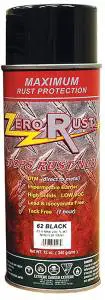
Raybuck Auto Body Parts offers ZeroRust as a dependable rust inhibitor for classic car restoration. ZeroRust is formulated as a direct to metal, barrier-type rust control coating designed to protect steel surfaces when applied after proper preparation. It is available in multiple formats, including brushable and sprayable options, making it suitable for DIY projects as well as professional restoration work.
ZeroRust is well suited for structural and cosmetic areas where you have addressed rust and need a reliable coating to prevent future oxidation. It can be used on new Raybuck panels after welding or surface preparation, as well as on existing surfaces that have been cleaned of loose rust and contaminants.
Recommended workflow with ZeroRust
- Replace or repair metal using Raybuck’s EDP coated or heavy gauge repair panels.
- Prepare surfaces by cleaning, scuffing and sealing seams.
- Apply ZeroRust to all exposed or repaired metal areas, including wheel wells, interior cavities and undersides.
- Finish with paint after curing, or leave ZeroRust as a protective base where a topcoat is not required.
By combining high quality repair panels with ZeroRust, you address both immediate restoration and long term preservation. This is the same process we advocate for customers who want lasting results from their restoration work.
Where and When to Use Rust Prevention Coatings on a Classic Car
Recommended application areas
- new or replaced panels such as rocker panels, cab corners, wheel arches and trunk floors
- undercarriage surfaces that receive constant road spray
- inside sills, behind inner fenders, wheelhouses and other concealed cavities
- routine seasonal touch-ups, especially after winter driving or long storage
Example inspection schedule
| Area | Frequency | Action |
| Undercarriage | Annually | Rinse and inspect coating |
| Wheel wells and rockers | After winter | Touch up chips and recoat |
| Interior cavities | Every 2 to 3 yrs | Inspect for rust development |
At Raybuck Auto Body Parts we encourage owners to pair quality panel replacement with a complete rust-inhibiting strategy. ZeroRust works well as the primary protective layer in this system.
Application Tips for Better Long Term Protection
- Clean surfaces thoroughly, removing contaminants such as grease, loose rust and old coating materials.
- Seal seams and joints before applying the rust inhibitor for maximum protection.
- Apply multiple thin coats instead of one heavy coat and follow all recommended dry times.
- Mask off sensitive components such as brake parts, suspension hardware and exhaust surfaces.
- After curing, apply topcoat or final finish if the coated area requires color matching or UV protection.
- Maintain a simple log that records the coating date, type of coating used and any relevant notes for future inspection.
- Store the classic car in a dry, well-ventilated space to minimize moisture exposure.
Conclusion: Rust Prevention Coatings for Classic Cars
Rust is a constant threat to classic cars, but it can be effectively managed with the right combination of metal repair and protective coatings. At Raybuck Auto Body Parts we provide high quality replacement panels and rust control products to help owners preserve the vehicles they care about. ZeroRust is a proven partner in that process, offering trusted protection for vintage steel.
We encourage every restorer to inspect their vehicle, address problem areas, apply a quality rust inhibitor and establish a routine maintenance plan. Explore our product selection or contact our team to get the right materials for your restoration.
Protect your project the right way by choosing quality repair panels and trusted coatings from Raybuck Auto Body Parts. Contact us with any questions.
Further Reading
- Understanding the Science of Corrosion: A clear explanation of how corrosion forms and how barrier coatings slow the process.