DIY Rust Repair
For skilled individuals with the right tools, DIY rust repair can offer considerable cost savings. The question isn’t
whether you can fix rust yourself — it’s whether the benefits outweigh the convenience.
They do. DIY vehicle rust repair lets you save costs, control quality and gain the satisfaction of preserving a
vehicle you rely on.
Essential Preparation
Before diving into your rust repair, a solid plan and proper preparation are key:
- Safety first: Rust repair often involves cutting, grinding and welding. Prioritize safety by wearing personal protective equipment (PPE), including safety glasses or a welding helmet, heavy-duty gloves and a respirator. Have a fire extinguisher readily available when welding.
- Assessing the damage: Carefully examine the extent of the rust. Probe rusted areas with a screwdriver or pick to determine whether it’s surface rust or has penetrated the metal. This assessment will guide your material needs and repair strategy.
- Workspace setup: Choose a well-ventilated area free of flammable materials to make the job safer and more efficient. Ensure you have ample lighting to see your work clearly.
Calculating Your True Savings
The cost savings of doing auto rust repair yourself are significant, letting you optimize your investment in your
vehicle. Your material costs for a DIY job typically fall between $30 and $200 and usually include sandpaper, primer, a rust converter chemical and color-matched spray paint.
The financial upside also includes:
- Efficient material costs: From quality rust repair panels to welding supplies and finishing materials, costs rarely exceed a few hundred dollars, even for extensive work.
- Labor costs are an investment: Every hour you spend on the repair directly translates into
financial value. Your effort becomes tangible savings. - Building equity with your time: The work increases your vehicle’s resale value, and you capture
that value directly.
While you might opt for replacement over professional repair for extensive damage, you could consider DIY efforts. This makes restoration feasible for vehicles that might otherwise be considered uneconomical to repair. But if doing the work yourself changes that threshold dramatically, you can justify repairs on vehicles that would otherwise be totaled.
The Benefits of DIY Vehicle Rust Repair
The advantages of repairing car rust yourself extend beyond the financial. When you control the process, you control the result.
You’re the Quality Control
When you handle the repair yourself, you have complete control over the process. You can prioritize thoroughness and quality in line with your high standards.
With DIY, you address and remove rust yourself, ensuring a lasting repair. You can take the time required for proper metal replacement, avoiding issues that can arise from less thorough treatments. When you do the work, you know the rust was actually removed, not just hidden.
Your Project, Your Timeline
DIY car rust repair happens on your schedule. It offers unparalleled flexibility, allowing you to manage your own
schedule for appointments, parts acquisition and unexpected issues, providing a seamless repair experience. Assess the scope, order what you need and start when you’re ready.
For someone who relies on their truck for daily work or business use, this flexibility is beneficial. Work evenings
and weekends without losing vehicle access during business hours. Pause the project when work gets busy and resume when you have time.
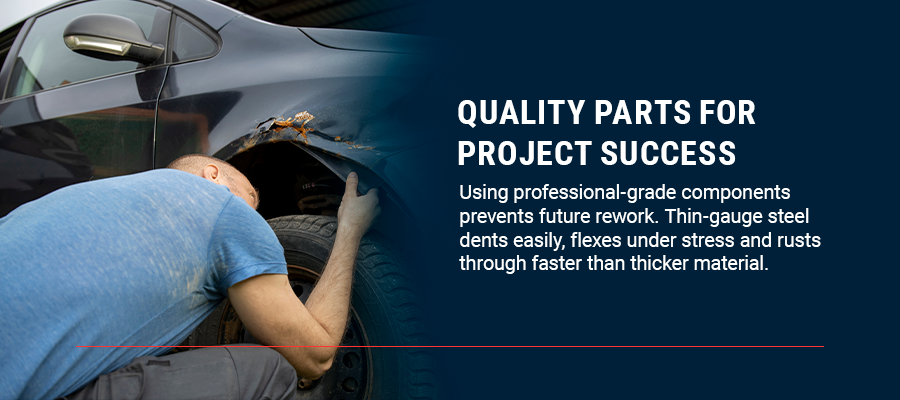
Quality Parts for Project Success
Any lasting rust repair depends on the quality of replacement panels. Doing it yourself gives you complete control over this decision.
Using professional-grade components prevents future rework. Thin-gauge steel dents easily, flexes under stress and rusts through faster than thicker material. If you install a cheap rocker panel now, you’ll have to replace it again in three years. Install a heavy-gauge panel with proper corrosion protection, and the repair outlasts the rest of the truck.
The Personal Return
The benefits of DIY vehicle rust repair go beyond saving money or controlling quality. The personal
rewards include:
- Tangible accomplishment: You can see the result of your work every time you look at your truck.
The repair is physical proof of your capability. - Skill development: Every project makes you better at metalwork, welding and finishing. Those
skills transfer to future repairs and other projects. - Pride of ownership: Knowing you preserved your vehicle yourself creates a stronger connection to
it than writing a check to someone else. - Increased resale value through your own effort: The repair adds value to your truck, and you
captured that value by doing the work yourself instead of paying someone else.
Why Your Skill Deserves Professional-Grade Repair Panels
Your DIY auto body rust repair skills are too valuable to waste on substandard materials. Whether the panels you install last five years or 15 depends entirely on their quality.
Gauge Matters
Steel gauge refers to thickness. Lower gauge numbers mean thicker, stronger steel. An 18-gauge rocker panel can withstand impacts from road debris and minor collisions that would dent or puncture a 24-gauge panel. It’s more rigid, holds its shape during installation and doesn’t flex or oil-can after welding. It also provides a better foundation for paint and finish work because it doesn’t distort under heat.
Heavy-gauge steel lasts longer in corrosive environments. Rust eats through metal at the same rate regardless of thickness, but thicker material gives you more time before a problem becomes structural. In salt-belt states, that extra thickness translates directly into additional years of service life.
The Value of OEM-Style Contours
Exact-fit panels save hours of labor and produce superior results. Factory-matched body lines mean panels drop into place with minimal adjustment. You’re welding, not fabricating.
Choosing exact-fit panels and installing them yourself is straightforward when the replacement panel matches the original contours perfectly. Proper fit reduces body filler use. This means filler is used effectively for minor surface imperfections, resulting in a stronger, longer-lasting repair.
The Advantage of EDP Coating
Electro-deposit primer (EDP) is a corrosion-resistant coating applied to bare steel before painting. It covers every surface of the panel, including hard-to-reach areas, with spray coating.
EDP-coated panels arrive ready for final paint prep. The coating acts as a factory-quality primer, bonding directly to the steel at a molecular level. For a repair that’s meant to last, EDP coating is the professional starting point.
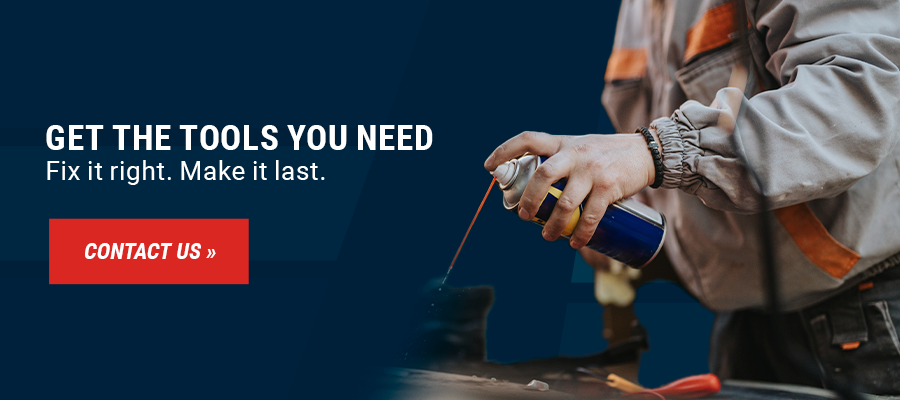
Get the Tools You Need for DIY Rust Repair
The cost savings of DIY rust repair are clear, the quality advantage is real, and the personal return is measurable. For anyone with the skills to do rust repair right, the benefits are too significant to ignore. The final step is choosing parts that match your workmanship. Make sure you have the right tools and parts for the job.
Raybuck Auto Body Parts offers heavy-gauge steel panels with OEM-style contours and EDP coating. Every panel is designed for exact fit and long-term durability. Your skill is the most valuable tool you have — don’t waste it on inferior steel. Find the exact-fit repair panels your project deserves now.