

The Mustang That Became Movie History
Some cars look good on screen. A select few become part of film history. The Bullitt Mustang belongs in that second group.
For many enthusiasts, the Bullitt Mustang is more than a classic fastback. It is one of the most recognizable movie cars ever filmed, tied forever to Steve McQueen, the 1968 film Bullitt, and one of the most memorable car chases ever put on screen. That alone would be enough to make it special, but the car itself is what gives the story real staying power.
At Raybuck Auto Body Parts, we appreciate vehicles that continue to capture attention long after their original moment in the spotlight. The Bullitt Mustang is a great example. It combines classic Mustang styling, movie legacy, and the kind of cool that still speaks to enthusiasts decades later.
Key Takeaways
- The Bullitt Mustang is most closely tied to the 1968 Ford Mustang GT fastback driven by Steve McQueen in Bullitt, powered by a 390 cubic inch FE V8 and a four speed manual transmission.
- The movie cars were modified for filming, with changes to the suspension, brakes, exterior trim, and overall appearance to make the Mustang tougher, cleaner, and more purposeful on screen.
- Part of the movie prep included removing and filling the side marker lights so the car would look more like a 1967 Mustang.
- The famous chase scene helped turn the car into a true movie legend and was widely regarded as the longest continuous car chase yet filmed at the time.
- The Bullitt Mustang still resonates because it blends classic Mustang style with one of the best known car moments in film.
Did you know? One of the surviving Bullitt Mustangs still showed evidence of filming decades later, including signs of camera mounting from production.
What Exactly Is the Bullitt Mustang?
The Bullitt Mustang is most closely associated with the 1968 Ford Mustang GT fastback driven by Steve McQueen in Bullitt. More specifically, the movie cars were Highland Green 1968 Mustang GT fastbacks equipped with Ford’s 390 cubic inch FE V8, rated at 325 horsepower, and backed by four speed manual transmissions. Warner Bros. bought two nearly identical cars for the production.
That matters because the Bullitt car is not just famous because it appeared in a great movie. It was already a strong platform. The 1968 fastback had the proportions enthusiasts love, and for the film the car was further refined to look tougher and cleaner. McQueen reportedly pushed for visual changes including removing some trim, blacking out the grille, fitting American Racing Torq Thrust wheels, and deleting exterior details that made the car look too dressed up.
Technical details that helped define the car
- Engine: 390 cubic inch FE V8, factory rated at 325 horsepower
- Transmission: Four speed manual
- Color: Highland Green
- Film prep: Engines, brakes, and suspension were modified for chase work
- Visual cleanup: Trim was removed, the grille was blacked out, and the car was given a more stripped down look for the camera
- Marker light modification: The side marker lights were removed and filled so the car would read more like a 1967 model on screen
That combination helped the Bullitt Mustang become something bigger than a screen used car. It became a symbol of old school cool.
Why the Bullitt Mustang Looked So Good on Screen
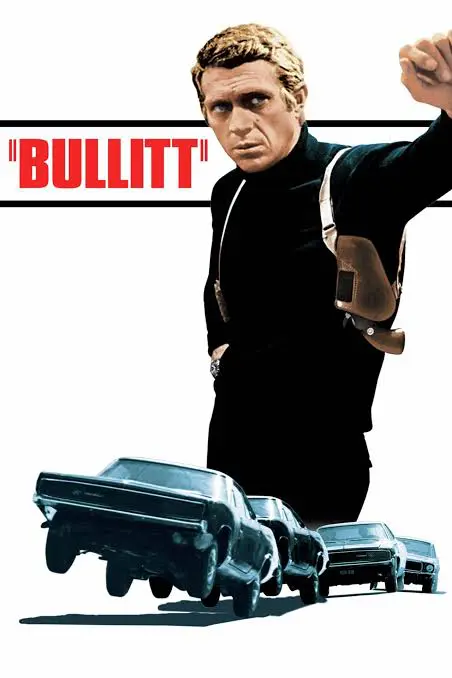
A big part of the Bullitt Mustang’s appeal comes down to shape. The 1968 Mustang fastback had the right look for the camera. It was sleek without feeling delicate, aggressive without trying too hard, and clean enough to leave a strong impression in motion or at a standstill.
The fastback roofline is a major reason the car still gets so much attention. It gives the Mustang a flowing profile that feels athletic and unmistakable. Even among classic Mustangs, the fastback holds a special place for many enthusiasts because it adds a sense of motion to the car’s design.
The movie also benefited from subtle changes that made the car feel more serious. Some trim was removed, the grille was painted black, and the side marker lights were filled, giving the Mustang a cleaner, tougher look than a stock 1968 model.
Design features that helped its screen presence
Fastback profile
The roofline and rear body shape gave the car a dramatic silhouette that worked beautifully on film.
Cleaned up exterior
The movie car’s simplified trim, blacked out grille, and deleted marker lights gave it a more purposeful, less decorative look.
Strong visual attitude
The car had presence, but it did not need oversized styling tricks to get there.
For a movie built around tension, speed, and confidence, the Bullitt Mustang looked exactly right.
The Car Chase That Helped Build the Legend
It is impossible to talk about the Bullitt Mustang without talking about the chase scene. The car became inseparable from one of the most celebrated car chases in film history, and that scene helped elevate the Mustang into another level of fame.
The chase runs for nearly 11 minutes and was widely regarded as the longest continuous car chase yet filmed at the time. That alone helped it stand apart, but the real reason it lasted is the way it feels. For its era, it was unusually long, unusually physical, and much more grounded than what many audiences had seen before.
What made the chase so memorable was not just speed. It was the feel of it. The Mustang came across as raw, grounded, and believable because the production leaned on real driving, real streets, and mechanical noise instead of trick photography. The result still feels convincing decades later.
It is also worth noting that the chase is not actually presented in true geographic order. Even though it feels continuous on screen, it was stitched together from multiple locations, which is why sharp eyed viewers can spot that the route does not unfold in perfect sequence. That is not really a flaw so much as part of the editing achievement. The sequence works because it turns disconnected streets into one coherent burst of tension and momentum.
Why the chase still stands out
- It was widely regarded as the longest continuous car chase filmed at the time
- It relied on practical driving and location filming instead of studio fakery
- It made the Mustang feel like a real machine under stress, not just a prop
- Its editing created a sense of continuous pursuit even though the route is not shown in true geographic order
For many fans, the chase scene did not simply make the car memorable. It made the car legendary.
Behind the scenes details that made the Bullitt car even cooler
This is the kind of detail Steve was asking for, and it is part of what gives the Bullitt Mustang more depth than a standard movie car story.
The Mustangs were modified for filming, with changes to the engines, brakes, and suspension to handle the punishment of jumps and repeated high speed takes. The cars also received heavy duty suspension related upgrades to better survive the demands of the shoot.
The car’s appearance was intentionally altered as well. McQueen wanted a tougher, more understated look, so trim was removed, the grille was blacked out, and the side marker lights were removed and filled to make the car look more like a 1967 model. The overall effect was more stripped down and aggressive than a normal production Mustang.
There are also surviving traces of how the movie was shot. One of the details often mentioned around the surviving hero car is evidence of camera mounting from production, a reminder that this car was not just dressed for the role, it was physically used to capture one of cinema’s most famous driving scenes.
And on the filming side, one of the more memorable behind the scenes details is that a camera operator was strapped to the outside of a car for part of the shoot to capture the kind of close, physical footage that helped make the chase feel so immediate.
Bullitt Mustang at a Glance
| Element | Why it matters |
| 1968 Ford Mustang GT fastback | The body style gave the car its iconic look |
| 390 FE V8 and four speed manual | Gave the car real mechanical credibility on screen |
| McQueen inspired visual changes | Helped create the stripped down Bullitt appearance |
| Marker lights removed and filled | Helped the car read more like a 1967 on screen |
| Nearly 11 minute chase scene | Turned the Mustang into more than just a screen car |
| Real world stunt preparation | Reinforced the car’s authenticity and toughness |
Why Enthusiasts Still Love the Bullitt Mustang
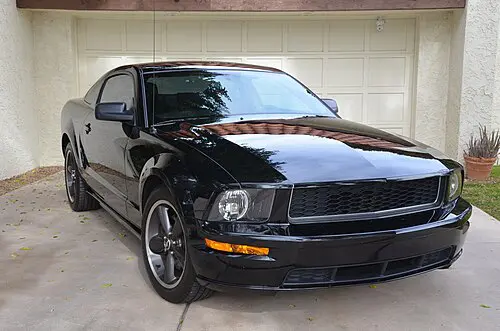
The Bullitt Mustang still resonates because it brings together several things enthusiasts already care about. It has classic Mustang styling, a meaningful place in movie history, and a personality that still feels genuine.
That last point matters. The Bullitt Mustang does not come across as flashy for the sake of it. It feels confident, mechanical, and timeless. Those traits help it connect with people who appreciate classic cars for more than just horsepower numbers or collector value.
What keeps the Bullitt Mustang so appealing?
- It represents a classic fastback shape that never seems to go out of style
- It carries strong ties to one of cinema’s most memorable driving scenes
- It feels authentic rather than overproduced
- It has real behind the scenes substance, from mechanical prep to visual modifications for filming
- It continues to attract both longtime Mustang fans and newer enthusiasts
Some cars age into nostalgia. The Bullitt Mustang still feels cool on its own terms.
From Movie Fame to Real World Restoration Interest
A car this iconic does more than live on in film clips and posters. It also inspires real admiration in garages, workshops, and restoration projects.
At Raybuck Auto Body Parts, we know classic Mustangs continue to draw serious interest from enthusiasts who want to preserve their style and character.
Raybuck Auto Body Parts carries classic Mustang restoration parts for model years 1964 through 1993, with strong support for the iconic Mustangs of the 1960s and early 1970s. Categories on the Mustang pages include trim, interior, fuel tanks, and window related components, which reflects the kind of work many older vehicles need over time.
Common restoration areas for classic Mustangs
Exterior details
Body appearance plays a huge role in preserving the look that made these cars famous.
Interior refreshes
Cabin components help maintain the feel of a true classic.
Glass and sealing components
Windows and related parts matter for both appearance and long term protection.
Fuel system needs
Fuel tanks and supporting parts can become important on aging vehicles.
That is part of what keeps the Bullitt Mustang relevant. It may be a movie icon, but it also continues to inspire the kind of hands on enthusiasm that keeps classic Mustangs alive.
The Bullitt Mustang Still Has Star Power
Some cars become famous because they appear in a film. The Bullitt Mustang became famous because it brought the right car, the right moment, and the right attitude together in one unforgettable package.
It remains a lasting symbol of classic Mustang style and movie car history. More than that, it still captures the imagination of enthusiasts who appreciate the shape, the story, and the feeling that comes with a true fastback legend.
What gives it extra staying power is that the legend is built on real detail. A 390 powered 1968 fastback, modified for the punishment of filming, visually cleaned up for the camera, altered to look more like a 1967, and thrown into a chase scene that redefined what audiences expected from movie driving. That is a stronger story than nostalgia alone.
That is why the Bullitt Mustang still matters. It is not just remembered. It is still admired.
Keep your classic Mustang looking its best with quality restoration and replacement parts from Raybuck Auto Body Parts.
Further Reading
- Ford Mustang Generations | Mustang Body Styles By Year: Raybuck Auto Body Parts looks at Mustang history across the generations, including the 1968 fastback’s appearance in Bullitt.
- Top Movie and TV Cars of All Time: Raybuck Auto Body Parts includes the Bullitt Mustang in its roundup of unforgettable screen cars, with a nod to the famous San Francisco chase.
- Steve McQueen’s Bullitt-Movie Mustang Suddenly Reappears: Car and Driver covers the original Highland Green 1968 Ford Mustang GT fastback and explains why the movie car was never forgotten.
- The Story Behind Steve McQueen’s Bullitt Mustang: Top Gear revisits the famous Bullitt chase and the movie car’s place in automotive culture.
- Long-Lost ’68 “Bullitt” Movie Mustang, New Ford Mustang Bullitt Highlight Vehicle’s Heritage: Ford shares the story of the resurfaced movie car and confirms that two identical 1968 Mustang GT fastbacks were used in filming.