
Why Ford Super Duty Trucks Matter Today
Ford Super Duty trucks have built a reputation for durability, strength, and long service life. Introduced as Ford’s dedicated heavy duty pickup line, Super Duty models such as the F-250 and F-350 are designed to handle demanding work, heavy towing, and long-term ownership. Because of their strong frames and dependable powertrains, many remain on the road for decades.
That longevity comes with a reality that most truck owners eventually face. Over time, rust and body corrosion can begin to appear, especially on trucks that operate in regions where road salt, moisture, and debris are common. The good news is that rust damage does not automatically mean the end of a truck’s life. With the right replacement panels and repair methods, many rusted areas can be restored effectively.
At Raybuck Auto Body Parts, we specialize in replacement body panels and rust repair sections designed to help truck owners extend the life of their vehicles. From rocker panels and cab corners to wheel arches and truck bed repair panels, replacement parts make it possible to restore structural strength and appearance without replacing the entire vehicle.
This guide explores the history of the Ford Super Duty lineup, breaks down major model year generations, and highlights the most common rust areas owners should inspect.
Key Takeaways
- Ford introduced the modern Super Duty lineup in 1999 as its dedicated heavy duty truck platform.
- Many Super Duty trucks remain on the road for decades, which makes rust repair a common part of long term ownership.
- The most common rust areas include rocker panels, cab corners, wheel arches, and truck bed sections.
- Rust typically develops from road salt, moisture, debris buildup, and damaged paint exposing bare metal.
- Replacement rust repair panels can restore damaged sections and extend the life of a Super Duty truck.
Did you know? Many Ford Super Duty trucks from the early 2000s are still working today, which is why rust repair panels remain one of the most common restoration parts.
What the Ford Super Duty Is
The Ford Super Duty lineup represents Ford’s heavy duty pickup truck segment. These trucks were created to provide greater towing capacity, stronger frames, and increased durability compared with lighter duty pickups.
Super Duty trucks typically include several models:
- F-250 Super Duty
- F-350 Super Duty
- F-450 Super Duty
- Chassis cab variants used for commercial and specialty vehicles
Unlike lighter trucks designed primarily for everyday driving, Super Duty pickups are engineered for heavier workloads. Many are used for towing trailers, hauling equipment, and supporting demanding work environments.
Because of their durability, these trucks often remain in service far longer than the average vehicle. It is common to see Super Duty pickups that are ten, fifteen, or even twenty years old still operating reliably. For owners who depend on their trucks, maintaining the body and structural panels becomes an important part of long-term ownership.
Choosing the right replacement parts plays a key role in successful repairs. Understanding panel types, material quality, and proper fitment can make the difference between a repair that lasts and one that fails prematurely.
Learn more about selecting the correct replacement panels here:
https://raybuck.com/how-to-choose-the-right-auto-body-replacement-parts-for-your-vehicle/
A Brief History of the Ford Super Duty
Ford introduced the modern Super Duty truck lineup for the 1999 model year. This marked a major change in the Ford truck family because the heavy duty models were separated from the lighter F-150 platform and designed on their own dedicated chassis.
The goal was to create trucks capable of handling significantly heavier workloads while maintaining durability and reliability. These trucks were engineered with stronger frames, upgraded suspension systems, and more powerful engine options.
Since its introduction, the Super Duty lineup has gone through several major redesigns and updates. Each generation has refined towing capabilities, structural strength, and technology while maintaining the heavy duty reputation that owners rely on.
Super Duty trucks are commonly used across many industries including construction, agriculture, transportation, and contracting. Their ability to tow large trailers and carry heavy payloads has made them one of the most recognizable heavy duty pickup platforms in North America.
The longevity of these trucks is one reason rust repair and body restoration have become such common topics among owners. A well maintained Super Duty truck can remain mechanically reliable for many years, but exposure to moisture, road salt, and harsh working environments can lead to corrosion on body panels and structural areas.
Fortunately, rust damage is often localized. This means that repairing specific panels such as rocker panels, cab corners, and wheel arches can restore the truck without requiring major structural replacement.
Raybuck Auto Body Parts carries a wide selection of rust repair panels designed specifically for pickup trucks, helping owners restore their vehicles and keep them working for years to come.
Ford Super Duty Model Year Breakdown
Understanding the different Super Duty generations can help owners identify their truck and determine which parts may be needed for repairs.
Ford Super Duty Generations Overview
| Generation | Model Years | Key Notes |
| First Generation | 1999–2007 | First dedicated Super Duty platform with heavy duty frame |
| Second Generation | 2008–2010 | Updated styling, interior, and towing improvements |
| Third Generation | 2011–2016 | New engines with increased power and efficiency |
| Fourth Generation | 2017–2022 | Aluminum body and fully boxed high-strength frame |
| Fifth Generation | 2023–Present | Advanced tech, towing systems, and modern updates |
1999–2007 Super Duty Trucks
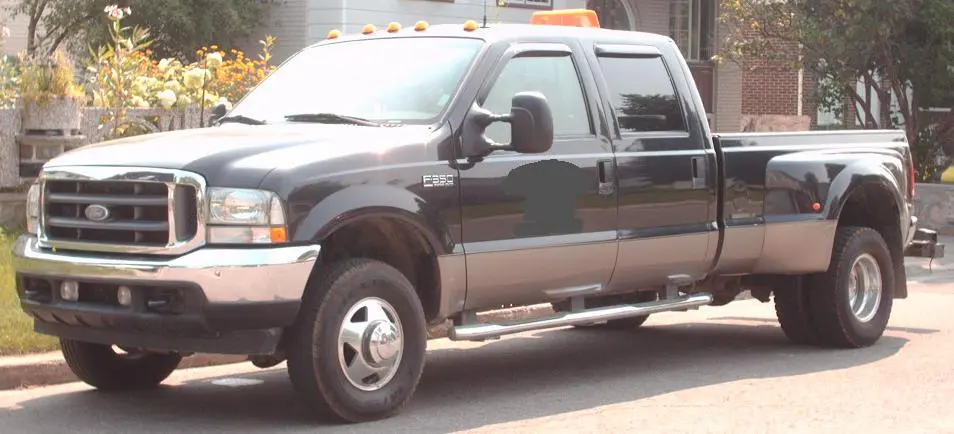
The first modern Super Duty trucks appeared in 1999. This generation marked a major shift by separating heavy duty trucks from the F-150 platform and introducing multiple cab configurations and higher-capacity models like the F-450 and F-550.
This generation introduced a fully boxed frame, solid front axle, and heavy duty suspension designed for serious towing and payload capacity. Engine options, including the Power Stroke diesel, helped establish the Super Duty’s reputation for long-term durability and work capability.
Because they have been on the road for more than two decades, many trucks from this generation are now experiencing rust in common body areas.
Owners restoring these trucks often replace panels such as:
- Rocker panels
- Cab corners
- Wheel arches
- Bedside panels
If you are new to vehicle body restoration, this beginner guide can help explain how rust repair panels work:
https://raybuck.com/a-beginners-guide-to-rust-repair-body-panels-for-your-vehicle/
2008–2010 Super Duty Trucks
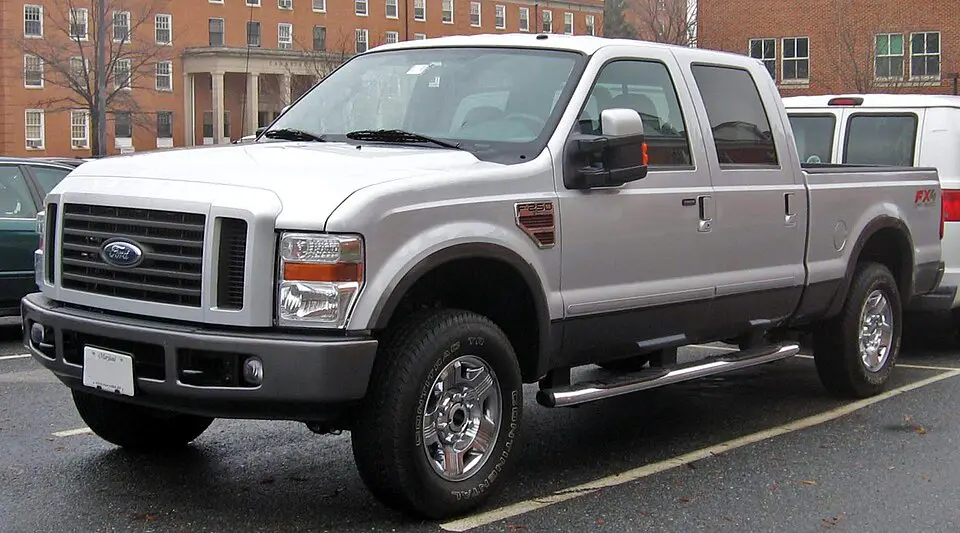
The 2008 model year introduced a full redesign, including updated styling, a more durable and corrosion-resistant frame, improved suspension, and new engine options such as the 6.4L Power Stroke diesel. These updates built on the proven heavy duty platform while improving performance and durability.
Updates included a redesigned front end with a larger grille, along with improved interior materials and comfort features. Mechanical revisions focused on towing performance, suspension refinement, and diesel engine updates to meet stricter emissions standards.
Today, trucks from this era are entering the stage where rust may begin appearing in key areas. Owners frequently inspect areas where debris and moisture accumulate, including lower cab sections and wheel arch edges.
Early rust detection can prevent larger repairs later. Identifying surface rust before it spreads allows owners to replace smaller panel sections rather than performing more extensive body restoration.
2011–2016 Super Duty Trucks
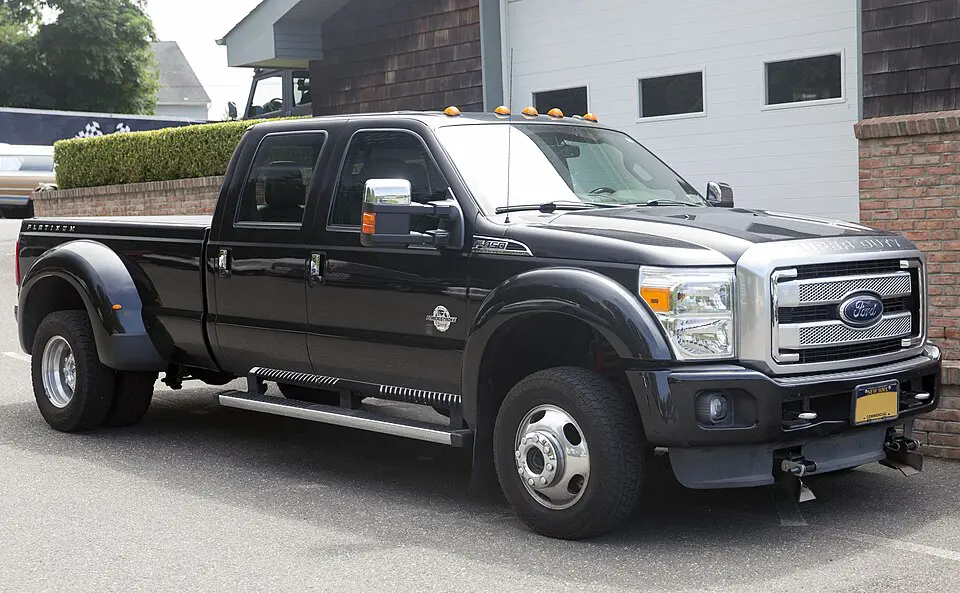
The 2011 update was extensive enough to be considered a new generation, introducing new gasoline and diesel engines along with a redesigned body and improved overall performance.
This generation brought major powertrain upgrades, including new gas and diesel engines with increased horsepower and torque. Improvements to towing capacity, fuel efficiency, and in-cab technology made these trucks more versatile for both work and daily driving.
These trucks are still commonly used for work and towing. Because many remain daily drivers, body wear and rust exposure can occur in the same areas seen in earlier generations.
Typical inspection points include:
- Rocker panels beneath the doors
- Rear cab corners
- Wheel arch edges
- Bedside panels
Even when rust begins to develop, replacing these sections can restore both structural integrity and the appearance of the truck.
2017–2022 Super Duty Trucks
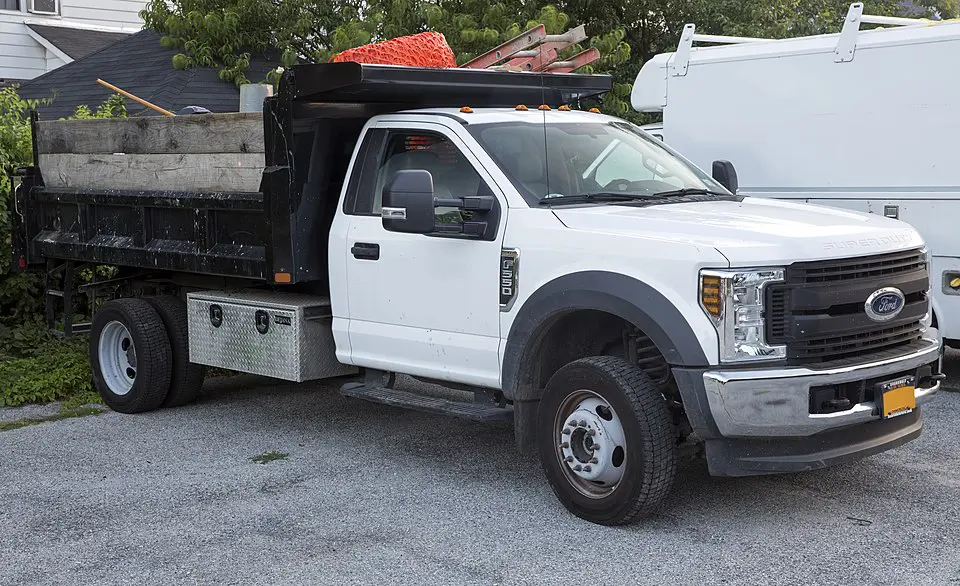
The 2017 redesign introduced significant structural changes to the Super Duty lineup. The switch to a high-strength aluminum body reduced weight by hundreds of pounds while improving corrosion resistance, and the frame was strengthened with high-strength steel to support higher towing and payload capacities. These updates significantly increased towing and payload capability while reducing overall vehicle weight.
Although these trucks are newer, rust prevention and maintenance remain important. Trucks used in snowy regions or heavy work environments may still experience corrosion over time.
Owners often focus on preventative maintenance during this stage. Protecting vulnerable areas and addressing small rust spots early can extend the lifespan of the truck’s body panels.
2023–Present Super Duty Trucks
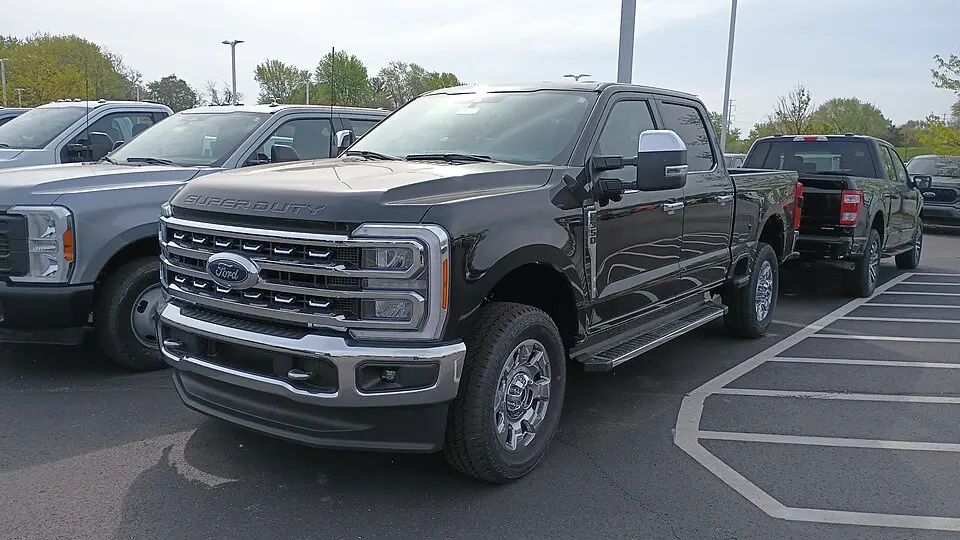
The newest generation of Super Duty trucks continues the long running legacy of Ford’s heavy duty pickup lineup. This generation introduced updated engine options, including higher-output diesel engines approaching 500 horsepower, along with a standard 10-speed automatic transmission and significantly improved towing capability.
In addition, advances in connectivity, safety features, and work-focused tools make these trucks more capable and user-friendly than ever.
Because this generation is still relatively new, rust is typically not yet a concern for most owners. However, the same body areas that develop corrosion on older trucks remain the most vulnerable over time.
Understanding where rust commonly appears allows owners to monitor their trucks and address issues early, which can prevent more expensive repairs later.
Why Rust Becomes a Problem on Older Super Duty Trucks
Rust is one of the most common issues affecting older pickup trucks. While Super Duty trucks are built for durability, exposure to harsh environmental conditions can eventually lead to corrosion.
Several factors contribute to rust formation on trucks.
Common causes of rust on pickup trucks
- Road salt used during winter driving
- Moisture trapped in body seams
- Mud and debris buildup in wheel wells
- Scratches or paint damage exposing bare metal
- Years of exposure to outdoor conditions
Rust typically begins as small surface corrosion. Over time it can spread beneath the paint and weaken the metal underneath. When left untreated, rust can eventually create holes in body panels and structural sections.
The good news is that rust often appears in predictable areas. By inspecting these locations regularly, truck owners can identify damage early and repair affected panels before corrosion spreads.
Raybuck Auto Body Parts offers rust repair panels designed to replace damaged sections and restore the truck’s body structure.
Learn more about rust repair panels here:
https://raybuck.com/truck-rust-repair-panels-a-must-have-for-restoring-your-pickup/
If you plan to perform the repair yourself, this installation guide explains the process step by step:
https://raybuck.com/a-step-by-step-guide-to-installing-truck-rust-repair-panels/
Common Rust Areas on Ford Super Duty Trucks
Certain areas of pickup trucks are especially vulnerable to corrosion. Dirt, water, and road salt tend to accumulate in specific body seams and structural sections.
Understanding these common rust areas can help truck owners identify problems early and plan repairs before damage spreads.
Rocker Panels
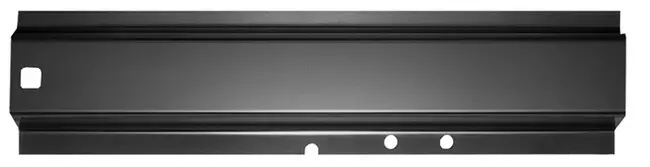
Rocker panels run along the lower edge of the cab beneath the doors. They provide structural support and connect the front and rear sections of the cab body.
Because rocker panels sit close to the road surface, they are constantly exposed to:
- Road salt
- Gravel and debris
- Water spray from tires
Over time, this exposure can cause rust to form along the outer rocker panel surface. Once corrosion begins, it can spread inside the panel and weaken the structure of the cab.
Common warning signs include bubbling paint, flaking metal, or visible holes along the lower cab area.
Replacing rocker panels is one of the most common truck rust repairs. Replacement panels restore both structural strength and the appearance of the vehicle.
Check out the Ford Super Duty Rocker Panel Installation Guide here:
https://raybuck.com/ford-super-duty-rocker-panel-installation-guide/
And learn how rocker panel repairs work here:
https://raybuck.com/how-to-fix-rocker-panels-on-your-truck-without-professional-help/
Cab Corners
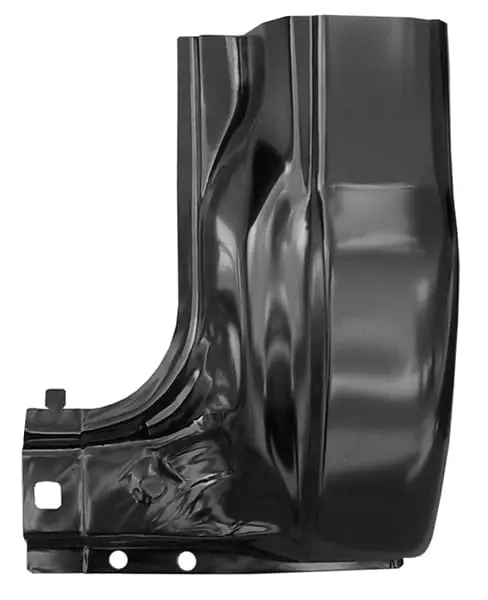
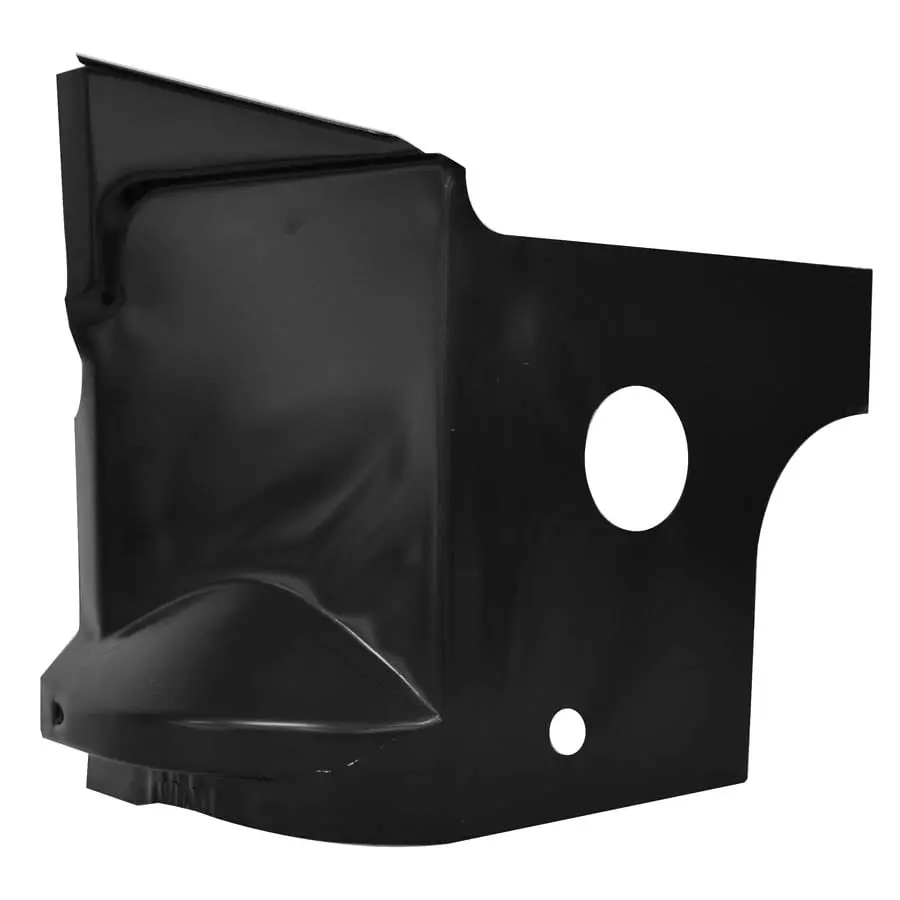
Cab corners are located at the rear lower corners of the truck cab. These sections often collect mud, water, and debris that become trapped behind the panel.
Over time, this trapped moisture can cause rust to develop from the inside out. Many truck owners do not notice cab corner rust until it becomes visible on the exterior surface.
Signs of cab corner rust include:
- Rust bubbles under the paint
- Soft metal when pressed
- Visible holes or flaking metal
Replacing cab corner panels is a common repair that restores the structure and appearance of the truck cab.
A detailed guide to cab corner repairs can be found here:
https://raybuck.com/ford-super-duty-cab-corner-replacement-guide/
And find out the secret to a rust free pickup here:
https://raybuck.com/truck-cab-corners-the-secret-to-a-rust-free-pickup/
Wheel Arches and Lower Bed Panels
Wheel arches and the lower bed panel areas experience constant exposure to tire spray, dirt, and road salt. This makes them one of the most common rust areas on pickup trucks.
Rust often begins along the lip of the wheel arch where paint chips from gravel impact. Once corrosion starts, it can spread along the outer panel and eventually affect the bedside section.
Truck owners should regularly inspect wheel arches for:
- Paint bubbling
- Surface rust
- Metal flaking
Replacing damaged wheel arch sections can restore the appearance of the truck and prevent rust from spreading further.
Learn more about wheel arch repair sections here:
https://raybuck.com/wheel-arch-repair-sections-fixing-rust-and-damage-with-ease/
Bed Floors and Cross Sills
Truck beds experience heavy use. Hauling cargo, tools, and equipment can cause scratches and damage to the protective paint coating inside the bed.
When bare metal becomes exposed, rust can develop quickly. Water accumulation inside the bed can also accelerate corrosion.
Common rust areas include:
- Cross sills
- Wheel well sections inside the bed
- Bed floor panels
Regular inspection and repair can prevent rust from spreading to structural bed supports.
Learn how to repair rusted truck bed sections here:
https://raybuck.com/pickup-truck-bed-repair-panels-how-to-fix-rust-and-damage/
Floor Pans and Inner Cab Corners
Floor pans are located beneath the interior flooring of the cab. These panels can develop rust when water enters the cab through worn seals, damaged weatherstripping, or clogged drain channels.
Moisture trapped beneath carpeting can slowly corrode the metal floor pan without being immediately visible.
Warning signs may include:
- Damp carpeting
- Musty interior odors
- Soft spots in the floor
Repairing damaged floor pans restores structural strength and protects the interior of the truck.
Learn more about replacement automotive flooring here:
https://raybuck.com/replacement-automotive-flooring-guide-custom-fit-carpet-kits-vinyl-mats-padding-backing-options/
Repairing Rust on a Ford Super Duty
Repairing rust on a pickup truck often involves replacing damaged metal sections with rust repair panels. These panels are designed to match the original body shape and restore structural strength.
Several installation methods are commonly used depending on the repair.
Common rust repair methods
- Welding replacement panels into place
- Using panel bonding adhesives
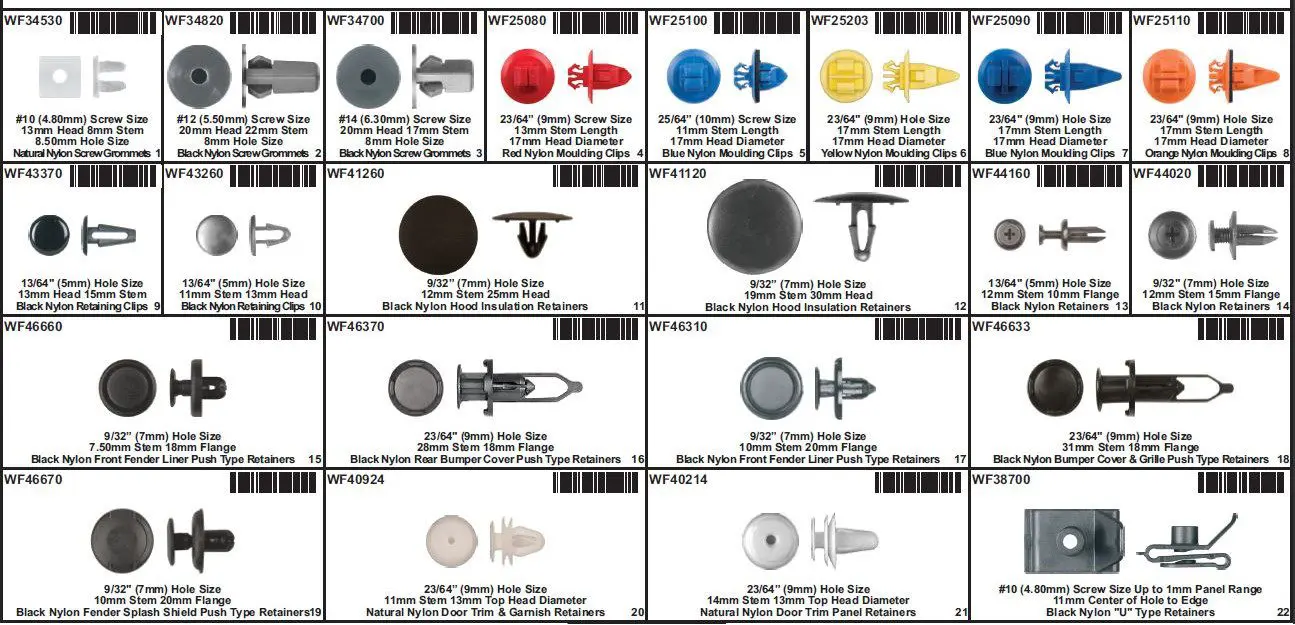
- Securing panels with automotive fasteners
Professional repair shops often weld panels for permanent repairs, but many DIY restorers successfully complete repairs using adhesives and mechanical fasteners.
Panel adhesives can provide strong bonds when applied correctly. They are commonly used in modern automotive body repairs.
Learn how automotive panel adhesives work here:
https://raybuck.com/how-to-use-auto-body-panel-adhesives-for-a-secure-fit/
Fasteners also play an important role when securing trim pieces and interior components after repairs are completed.
Read more about auto body fasteners here:
https://raybuck.com/everything-you-should-know-about-auto-body-fasteners/
Why Many Owners Repair Rust Instead of Replacing the Truck
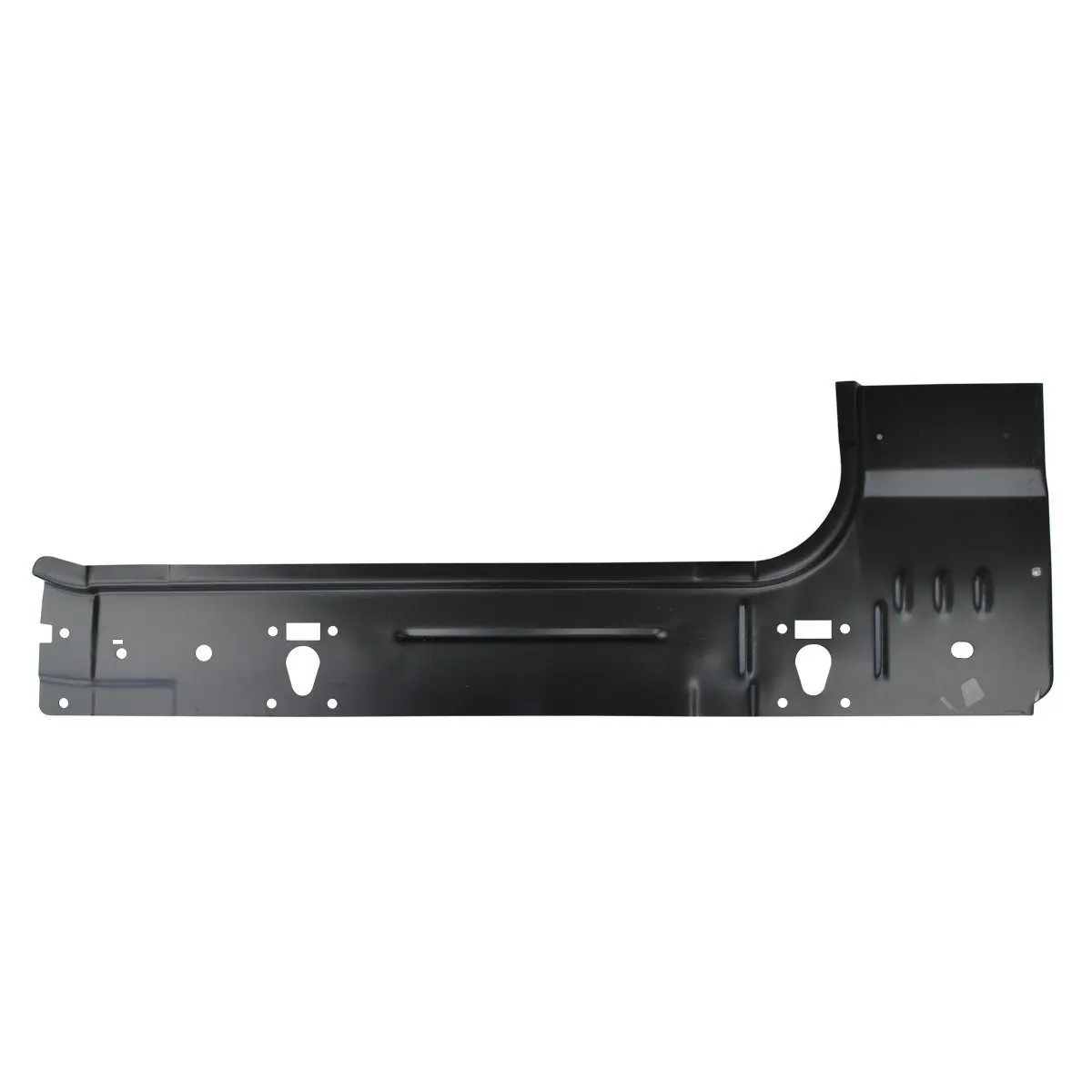
Heavy duty pickup trucks are often built to last for many years. When rust begins to appear, replacing damaged panels can be far more practical than replacing the entire vehicle.
Many truck owners choose restoration because:
- The truck remains mechanically reliable
- Repair panels are available for common rust areas
- Restoring the body can extend the truck’s lifespan
Repairing rust early can prevent corrosion from spreading into larger structural areas. This helps maintain the strength and usability of the truck.
Raybuck Auto Body Parts provides replacement body panels designed to help truck owners complete these repairs with quality parts that match original panel shapes.
Learn more about Ford replacement panels here:
https://raybuck.com/ford-pickup-replacement-panels-your-complete-buying-guide/
Conclusion: Ford Super Duty
Ford Super Duty trucks have earned a reputation for strength and durability since their introduction in 1999. Many remain in service for decades, which makes rust repair an important part of long term ownership.
By understanding common rust areas such as rocker panels, cab corners, wheel arches, and truck bed sections, owners can identify problems early and restore their trucks effectively.
With the right repair panels and installation methods, many Super Duty trucks can continue working for years to come.
Explore high quality rust repair panels and replacement body parts for Ford trucks at Raybuck Auto Body Parts to keep your Super Duty on the road longer.
Further Reading
- Ford Super Duty Truck Overview: Ford’s official page covering the Super Duty lineup, including F-250 and F-350 models, capability highlights, and configuration options.
- History of the Ford Super Duty: A detailed article explaining how the Super Duty platform evolved and how it differs from lighter duty Ford trucks.
- The History of Ford Trucks: A broader look at the development of Ford pickup trucks from early models to modern heavy duty Super Duty trucks.
- The Evolution of the Ford Super Duty Series: An overview of how the Super Duty lineup developed over multiple generations and became a major part of the heavy duty truck market.